B cell is a type of lymphocyte (hence, lymphatic system) which produce antibodies.
Showing posts with label terms. Show all posts
Showing posts with label terms. Show all posts


Presentation[edit]
It is seen as a yellow-[1] white deposit on the conjunctiva adjacent to the limbus (the junction between the cornea and sclera). (It is to be distinguished clinically from a pterygium, which is a wedge shaped area of fibrosis that may grow onto the cornea.) A pingueculum usually does not cause any symptoms. It is most common in tropical climates and there is a direct correlation with UV exposure.
Histologically, there is degeneration of the collagen fibers of the conjunctival stroma with thinning of the overlying epithelium and occasionally calcification.[2] Actinic exposure of the thin conjunctival tissue is thought to cause fibroblasts to produce more elastin fibers, which are more twisted than normal elastin fibers and may lead to the degradation of the collagenfibers.[3] Alternatively, it has been postulated that the sub-epithelial collagen fibers undergo degradation and assume the qualities of elastic tissue while fragmenting and twisting in a different configuration from their normal state.[4]
It is thought that the high reflectvity of the solid white scleral tissue underlying the conjunctival tissue may result in additional UV exposure to the back side of the tissue.[5]The side of the nose also reflects sunlight on to the conjunctiva. As a result, pingueculae tend to occur more often on the nasal side of the eye. While most pingueculae are found in people over the age of 40, they are not uncommon in 20 and 30 years old adults who spend significant time in the sun.
The surface of the conjunctival tissue overlying a Pingueculum interferes with the normal spreading of the tear film. The tear ferning test reveals abnormalities of the mucous component of the tear film, making it useful as a predictor of a person's tolerance of hydrophilic soft contact lenses.[6] Contact lens intolerance can also result from the elevation of the peripheral edge of the contact lens if it overlies a pingueculum.
The plural form of pinguecula is pingueculae. Pinguecula is derived from the Latin word "pinguis" for fat or grease.[7]
Prognosis and treatment[edit]
Pingueculae may enlarge slowly over time, but are a benign condition, usually requiring no treatment. Artificial tears may help to relieve discomfort, if it occurs. If cosmesis is a concern surgical excision is sometimes done. Occasionally a pinguecula may become inflamed, a condition called pingueculitis. The cause of pingueculitis is unknown but there are no known infectious agents associated with it. If an inflamed pinguecula is causing discomfort or cosmetic concerns it may be treated with an anti-inflammatory agent, such as prednisolone drops.
Associated conditions[edit]
A pinguecula is one of the differential diagnoses for a limbal nodule. It may have an increased prevalence in Gaucher's disease.
Think of a blood vessel that is damaged => Vascular damage => which could be due to venipuncture => this could make you lazy not wanting to move around => it's worse (stasis = abnormal blood flow) => then it's even worse


1) Fever, RQU pain, jaundice
2) Stasis, hypercoagulability, endothelial damage
3) interstitial keratitis, Hutchinson incisors, and eighth nerve deafness.
4) Widening pulse pressures, bradycardia, hypertension

- consequences if abrupt withdrawal of a beta blocker
- worsening angina, myocardial infarction and ventricular dysrhythmias have been observed after abrupt discontinuation of propranolol in patients with coronary artery disease (1)
- abrupt withdrawal of beta-blocking drugs in patients with hypertension has resulted in transient symptoms, including malaise, headache, sweating, palpitations and increases in blood pressure
- abrupt withdrawal of beta-blocker perioperatively is associated with increased postoperative mortality (2)
- if abrupt withdrawal of beta blockers then coronary events have been observed to as late as 3 weeks after abrupt withdrawal of beta blocker therapy (1)
- gradual withdrawal of beta blocker usage
- if chronic usage of a beta blocker then beta blocker therapy needs to be gradually withdrawn to minimise the consequences described above
- the exact definition of how a beta blocker is to be gradually withdrawn is not described in the respective summary of product characteristics
- however it has been stated (1) that, if chronic beta blocker usage, 14 days of gradual dose reduction before beta blocker withdrawal is necessary to prevent beta-adrenergic supersensitivity (and possibly "rebound" symptoms)
- if chronic beta blocker usage then the two week period of withdrawal should be considered a minimum - a longer period of withdrawal might be required if a patient is on a high dose beta blocker/has significant co-morbidities such as coronary heart disease
- if beta blocker therapy is being withdrawn then it seems prudent to regularly monitor pulse and blood pressure of these patients during the withdrawal of beta blocker therapy
- however it has been stated (1) that, if chronic beta blocker usage, 14 days of gradual dose reduction before beta blocker withdrawal is necessary to prevent beta-adrenergic supersensitivity (and possibly "rebound" symptoms)
Nutshell: If nitrate is given without pauses interval, nitrates will not be as effective => need to pause in between nitrate administration (Wonder Me!)
Nitrates exhibit development of tolerance, or more specifically tachyphylaxis, meaning that repeated application results in a fast decrease of effect, usually within 24 hours. A pause of six to eight hours restores the original effectiveness.
Mechanism:
- A pause of six to eight hours restores the original effectiveness. This phenomenon was originally thought to be a consequence of depletion of thiol (–SH) groups necessary for the reduction of nitrates. While this theory would fit the fact that molsidomine (which is not reduced) does not exhibit tachyphylaxis, it has meanwhile been refuted.
- Newer theories include increase of oxidative stress resulting in deactivation of NO to peroxynitrite, and liberation of the vasoconstrictors angiotensin II and endothelin as the blood vessels' reaction to NO-mediated vasodilation.
(Source: https://en.wikipedia.org/wiki/Nitrovasodilator#Mechanism_of_action)
nitrate-free interval 2 prevent tolerance
References:
http://www.medscape.com/viewarticle/812374
Nitrates exhibit development of tolerance, or more specifically tachyphylaxis, meaning that repeated application results in a fast decrease of effect, usually within 24 hours. A pause of six to eight hours restores the original effectiveness.
Mechanism:
- A pause of six to eight hours restores the original effectiveness. This phenomenon was originally thought to be a consequence of depletion of thiol (–SH) groups necessary for the reduction of nitrates. While this theory would fit the fact that molsidomine (which is not reduced) does not exhibit tachyphylaxis, it has meanwhile been refuted.
- Newer theories include increase of oxidative stress resulting in deactivation of NO to peroxynitrite, and liberation of the vasoconstrictors angiotensin II and endothelin as the blood vessels' reaction to NO-mediated vasodilation.
(Source: https://en.wikipedia.org/wiki/Nitrovasodilator#Mechanism_of_action)
nitrate-free interval 2 prevent tolerance
Despite undeniable benefit in relieving acute angina, the clinical use of organic nitrates is complicated by the development of tolerance to their pharmacologic effects. Nitrate tolerance is characterized by loss of hemodynamic and antianginal effects after repeated dosing; higher and higher doses are needed to obtain the same physiologic effect. Tolerance to intravenous, topical, and transdermal nitrates can develop in as little as 24 hours. The use of the long-acting oral nitrates, isosorbide dinitrate and isosorbide mononitrate, also results in clinically significant nitrate tolerance in as little as 1 week, depending on the dosing schedule used
In clinical research, tolerance to nitrates typically manifests as a significantly decreased time to angina symptoms in treadmill testing after repeated dosing as compared with initial dosing.[1] Potential mechanisms of nitrate tolerance include the production of free radicals, which reduces the biotransformation of organic nitrates to nitric oxide (NO), and depletion of sulfhydryl groups involved in the conversion of nitrates to NO. In addition, counterregulatory mechanisms including volume expansion via sodium and water retention may also be involved.
Intermittent dosing of organic nitrates to provide a nitrate-free interval has been the preferred approach to nitrate tolerance for 2 decades
References:
http://www.medscape.com/viewarticle/812374

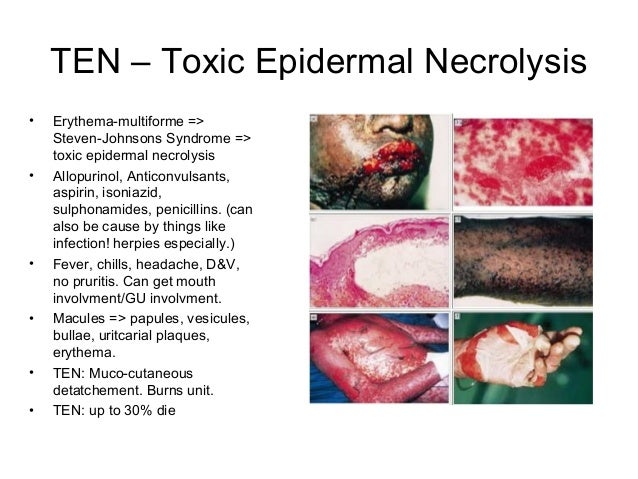

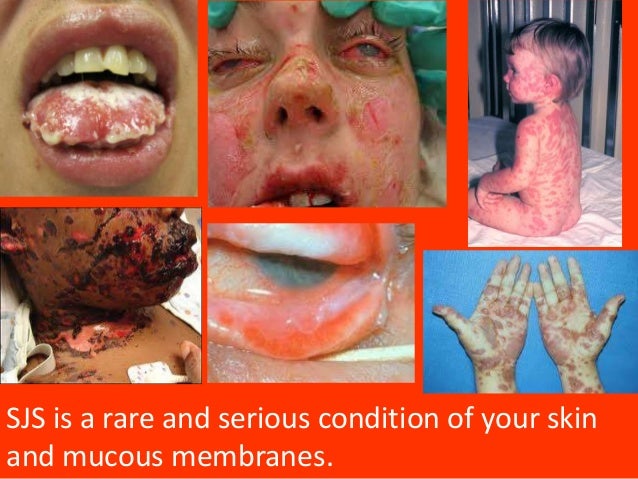
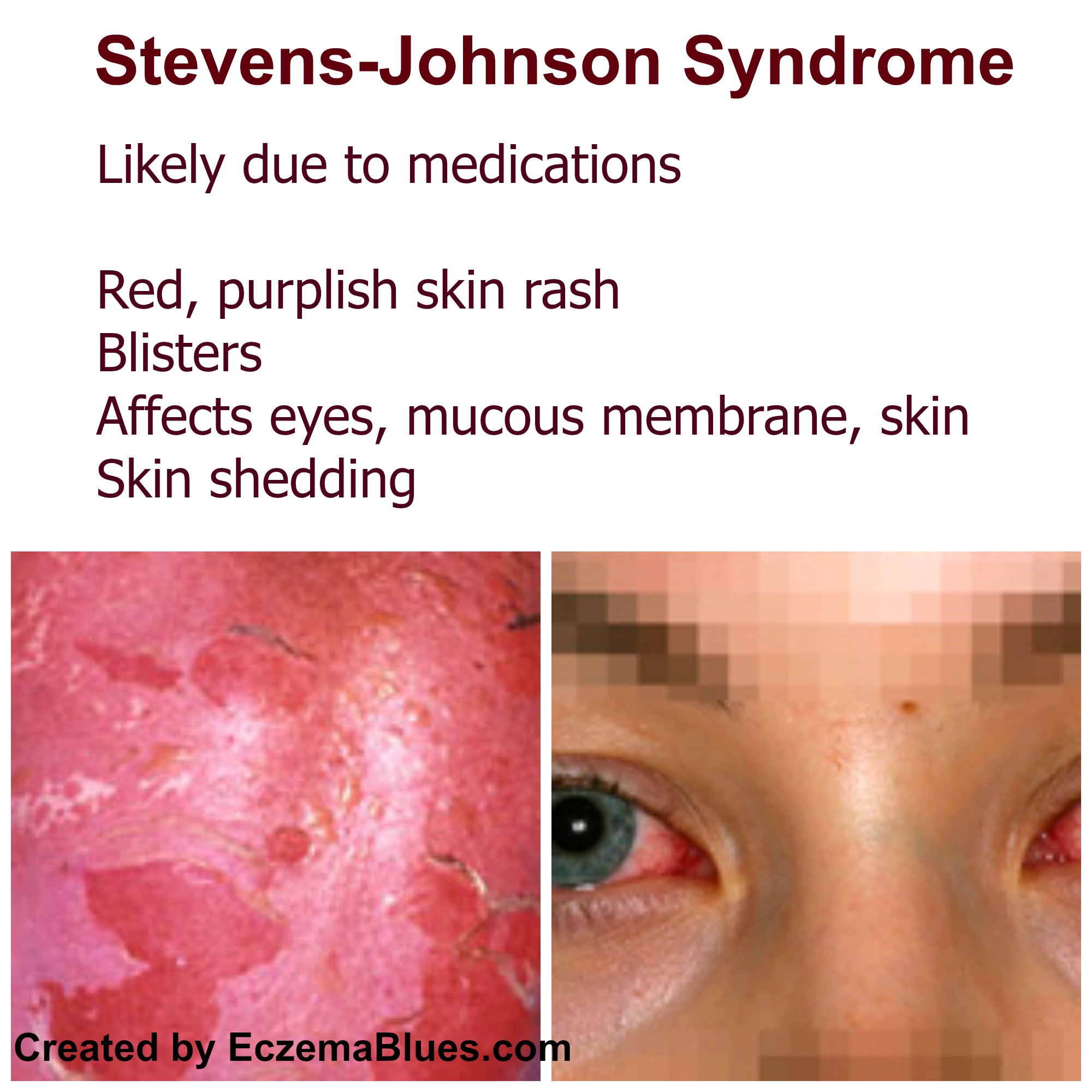

A condition in which bone marrow activity is decreased, resulting in fewer red blood cells, white blood cells, and platelets. (1)
(1): http://www.cancer.gov/publications/dictionaries/cancer-terms?cdrid=44173
(1): http://www.cancer.gov/publications/dictionaries/cancer-terms?cdrid=44173
"Asthenia vs. myasthenia. Asthenia (Greek: ἀσθένεια, lit. lack of strength but also disease) is a medical term referring to a condition in which the body lacks or has lost strength either as a whole or in any of its parts. It denotes symptoms of physical weakness and loss of strength."
"Xerostomia is dryness in the mouth (xero- + stom- + -ia), which may be associated with a change in the composition of saliva, or reduced salivary flow" (1)
(1): https://en.wikipedia.org/wiki/Xerostomia
(1): https://en.wikipedia.org/wiki/Xerostomia

alpha 2 (geographically)
alpha 2-adrenergic receptors in the brain=> reduces sympathetic outflow from the CNS
decreases peripheral resistance, renal vascular resistance, heart rate, and blood pressure
Alpha-2 agonists are often used for nasal decongestion. That is, if you have nasal congestion, use drugs that activate alpha2
 |
| Mnemonics: Alpha 2 = alpha x alpha = al-pha-pha = alfafa = relaxation CNS = decreased BP/HR |
 |
| Mnemonics: Alpha2 = alpha x alpha = al-pha-pha = alfafa = constricted Peripherally (outdoor = outside) = vasoconstriction |
 |
| Beta = looks like heart side-way |
 |
| Side-way heart = looks like Beta |
vasoconstriction
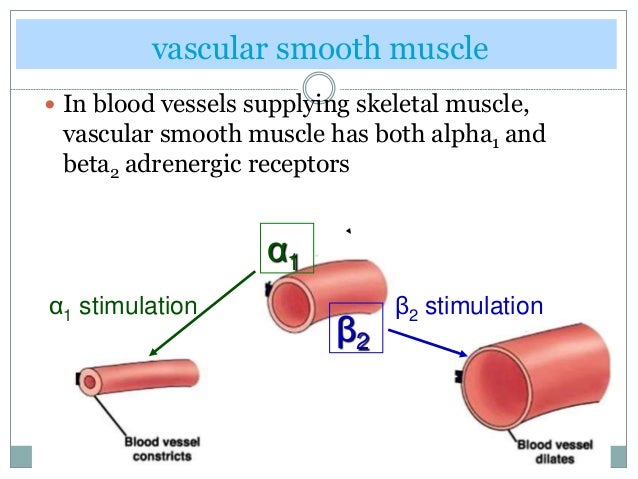
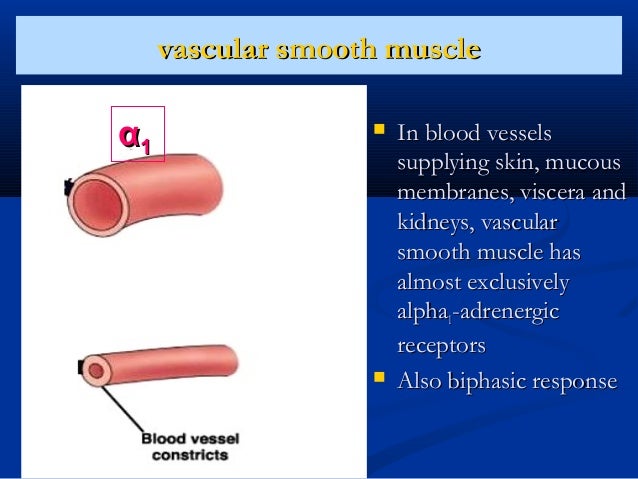
"Receptors Alpha1 receptors are primarily located on the peripheral blood vessels. Stimulation of these receptors results in vasoconstriction and elevation of systemic blood pressures" (1)
Mnemonic 1:
Mnemonic 2:


"Receptors Alpha1 receptors are primarily located on the peripheral blood vessels. Stimulation of these receptors results in vasoconstriction and elevation of systemic blood pressures" (1)
Mnemonic 1:
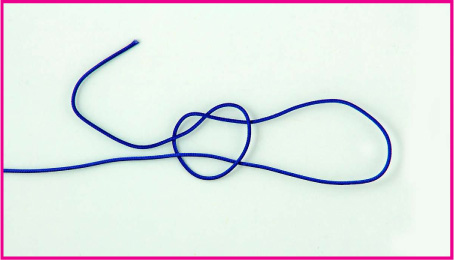 |
| Alpha loop from 1 string => constricting when activated => alpha 1 |
 |
| alpha 1 loop = activated => constricted |
Mnemonic 2:
 |
| Mnemonics: Alpha #1 male = professional suit; red tie = blood vessel; pulled tie = constricted neck blood vessel => alpha 1 = vasoconstriction (alpha 1 male still gets defeated by females with vasoconstriction) |

(1): https://books.google.com/books?id=knvfWlSFYPIC&pg=PA16&dq=alpha+1+receptors+blood+vessels&hl=en&sa=X&ved=0ahUKEwjkrL_dif7LAhUM0mMKHcmuBycQ6AEIUTAI#v=onepage&q=alpha%201%20receptors%20blood%20vessels&f=false
stressed out before exam.
CAteCHOlamine:
acts at beta1 to cause increase in heart rate (chronotropic)
acts at alpha1 to cause vasoconstriction
acts at beta2 to cause vasodilation & bronchodilation
=> run away from the lion => needs vasodilation in peripheral vessels to run away from other lions, also bronchodilation to breathe better
The end results is the balance of everything.
CAteCHOlamine:
acts at beta1 to cause increase in heart rate (chronotropic)
acts at alpha1 to cause vasoconstriction
acts at beta2 to cause vasodilation & bronchodilation
=> run away from the lion => needs vasodilation in peripheral vessels to run away from other lions, also bronchodilation to breathe better
The end results is the balance of everything.
just need to know the P-K by studying in 20-100 HEALTHY persons.
Why it works?
it's in HEALTHY persons bc just wanted to know if it works in humans and that bio-availability is good and not many side effects. It's easier to do it in healthy persons. Rather than tell a target sick patients that we're giving you these drugs to see how much of it really is avaialble to work in your body but not really to treat you. Who sick patients would want to do that? They will be more like, let me know when it works and I'll come back for phase 2.
Also, if pt has liver disease, you don't want to study on the patient, becauase you need a baseline to see how much to give to this patient.
Why it works?
it's in HEALTHY persons bc just wanted to know if it works in humans and that bio-availability is good and not many side effects. It's easier to do it in healthy persons. Rather than tell a target sick patients that we're giving you these drugs to see how much of it really is avaialble to work in your body but not really to treat you. Who sick patients would want to do that? They will be more like, let me know when it works and I'll come back for phase 2.
Also, if pt has liver disease, you don't want to study on the patient, becauase you need a baseline to see how much to give to this patient.
100-200 target disease patients
make sure it's efficacy, not just by chance.
need to prove its efficacy. need to calculate the # of population needed to minimize cost but at the same time able to establish efficacy.
to establish safety, not just efficacy.
Now you know it works, you'll need to know if it's safe enuf to see if there's any 1 in 1000's of patients may have any problems.
Need to figure out the number of population needed to establish safety.
Now you know it works, you'll need to know if it's safe enuf to see if there's any 1 in 1000's of patients may have any problems.
Need to figure out the number of population needed to establish safety.
most likely the public will be unlikely to use it if severe side effects known.
This one is different from Phase 4. Phase 4 is only 100,000's target patients. This one is everybody all over the place.
Medwatch & Dear Health Care Professionals
Ex: Tacrolimus is an immunosuppressant drug that is used in organ transplant. It is then approved by FDA to treat atopic dermatitis. Then, they realize it can cause skin cancer. Then, consumers don't want to use this drug that much anymore. However, it's still a common drug for transplant pt (these pt are very sick they need organ and drugs to help their body). Of course, use of this drug in children is much more limited.
This one is different from Phase 4. Phase 4 is only 100,000's target patients. This one is everybody all over the place.
Medwatch & Dear Health Care Professionals
Ex: Tacrolimus is an immunosuppressant drug that is used in organ transplant. It is then approved by FDA to treat atopic dermatitis. Then, they realize it can cause skin cancer. Then, consumers don't want to use this drug that much anymore. However, it's still a common drug for transplant pt (these pt are very sick they need organ and drugs to help their body). Of course, use of this drug in children is much more limited.

