Epidemiology: Age 16-30 (High school age to the big 30s!)
The Phrase is
HD N CD and it means "HD= High Definition ,N=& ,CD=Cd"
S/s:
Positive
H: hallucinations
D: delusions
N: Negative symptoms (flat affect, social withdrawal, poverty of speech)
C: catatonic or grossly disorganized behavior
D: Disorganized speech
Tx:
Neuroleptic drugs bind and block the Dopamine D2 receptors in the Dopaminergic pathways of the brain => This leads to Dopamines unable to exert effects on the pathway => less psychosis episodes (Decreased dopamine release in
the prefrontal cortex, and excess dopamine release in other pathways,
are associated with psychotic episodes in schizophrenia and bipolar
disorder)
1st GENERATION
Mnemonics: A Scene (of psychosis! - what an old scene!) = Azine
Chloroprom
azine (Thorazine)
Trifluoper
azine (Stelazine)
Fluphen
azine (Prolixin)
Haloperidol (Haldol) - Halo parisol doll - old school doll
First-generation antipsychotics have a high rate of extrapyramidal side
effects, including rigidity, bradykinesia, dystonias, tremor, and
akathisia. Tardive dyskinesia (TD)—that is, involuntary movements in the
face and extremities—is another adverse effect that can occur with
first-generation antipsychotics. Neuroleptic malignant syndrome (NMS)
can occur with these agents.
2nd GENERATION/ATYPICAL:
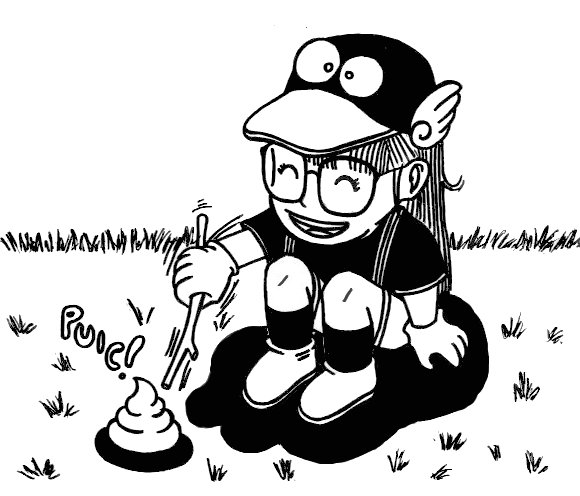
Aripiprazole (Arale ("even littler cracker") pretzel) - new!
Olanzapine (Olando Bloom in a pine forest) -
Risperidone
Invega Triza 4x/yr
Second-generation (novel or atypical) antipsychotics, with the exception
of aripiprazole, are dopamine D2 antagonists, but are associated with
lower rates of extrapyramidal adverse effects and TD than the
first-generation antipsychotics. However, they have higher rates of
metabolic adverse effects and weight gain.
References:
http://emedicine.medscape.com/article/288259-medication#2
https://psychmnemonics.wordpress.com/category/schizophrenia/